Essential Tips for Maintaining Proper Water Chemistry in Your Pool
Learn how to maintain proper water chemistry for your pool, including tips on hiring builders, understanding pool types, and design options in San Diego.
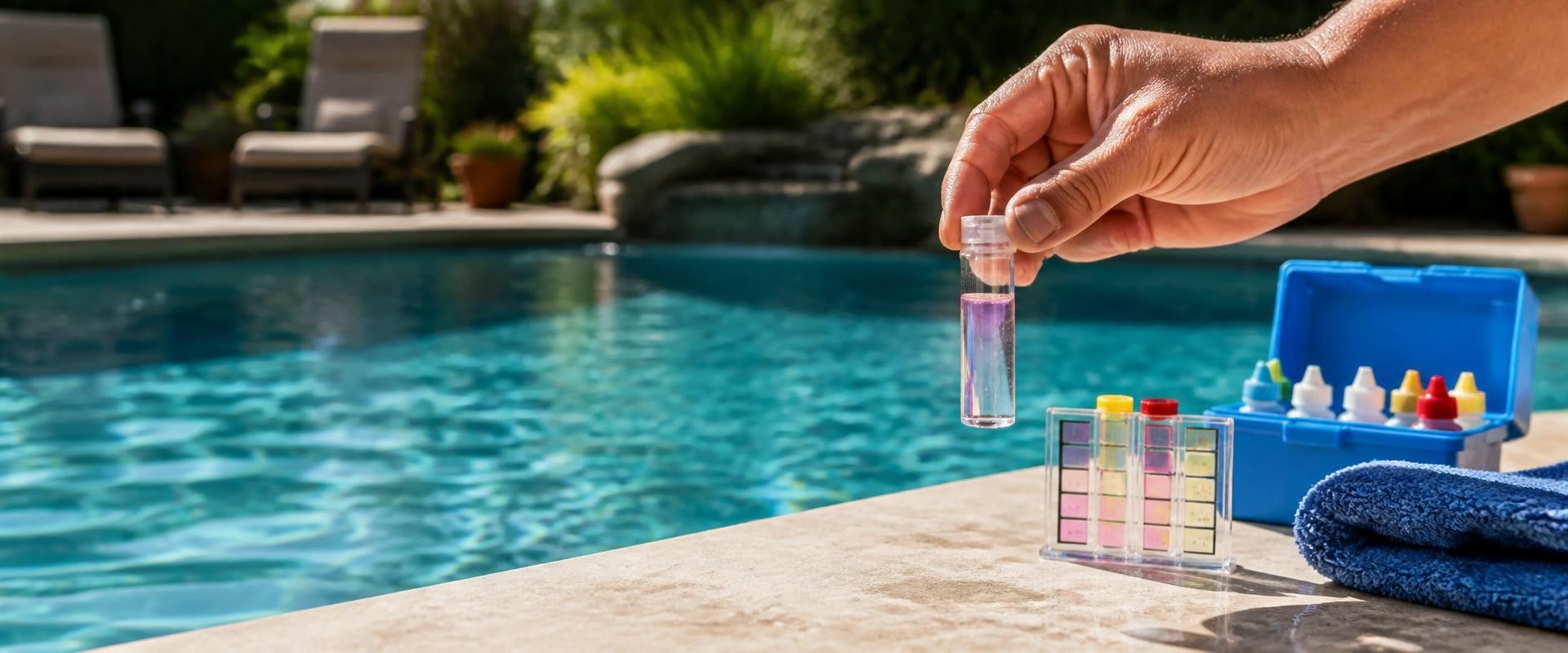
When it comes to enjoying your backyard oasis, Maintaining proper water chemistry is crucial. At San Diego Pool Building, we understand that a well-balanced pool not only enhances the swimming experience but also prolongs the life of your pool and its equipment. Whether you’re a new pool owner or a seasoned enthusiast, keeping your pool’s water chemistry in check can seem daunting. However, with the right knowledge and practices, it can be a straightforward task that ensures crystal-clear water and a safe swimming environment for you and your family. In this article, we’ll delve into essential tips for maintaining proper water chemistry in your pool.
We’ll cover the key components of water balance, including pH levels, alkalinity, and chlorine concentrations, while also discussing how these factors interact to create a healthy swimming environment. By following these guidelines, you’ll not only enhance your pool’s aesthetics but also protect the investment you’ve made with help from resources like San Diego Pool Building. So grab your test kit and let’s dive into the world of pool water chemistry!Maintaining proper water chemistry is crucial for the overall health and safety of your pool.
San Diego Pool Building
emphasizes the importance of understanding the local water conditions to ensure that your pool remains a safe and enjoyable space.This guide will help you navigate the essential elements of water chemistry, including pH balance, chlorine levels, alkalinity, and calcium hardness, all of which play a vital role in effective pool maintenance. The first key element is pH balance, which measures how acidic or basic the water is. Ideally, the pH level should be between 7.2 and 7.8.If the pH is too low, it can lead to corrosion of pool surfaces and equipment, while a high pH can cause scaling and cloudy water. Regular testing using pH strips or digital testers will help you maintain this balance. Next, we have chlorine levels, which are essential for disinfecting the water and keeping it free from harmful bacteria and algae. The recommended chlorine level is between 1 to 3 parts per million (ppm).
Insufficient chlorine can lead to algae blooms and health risks for swimmers, while excessive levels can cause skin and eye irritation. Use chlorine test kits regularly and adjust as needed by adding chlorine tablets or granules.
Alkalinity
acts as a buffer for pH levels, helping to stabilize them. The ideal total alkalinity range is between 80 to 120 ppm. If alkalinity is too low, pH levels can fluctuate wildly, while high alkalinity can lead to cloudy water and scaling.You can increase alkalinity by adding sodium bicarbonate or decrease it with muriatic acid. Lastly, calcium hardness refers to the concentration of calcium in the water. Maintaining a level between 200 to 400 ppm is crucial as low calcium levels can cause corrosion of pool surfaces, while high levels can result in scale buildup that clogs filters and damages equipment. Regular testing will allow you to add calcium chloride if needed. Regularly testing and adjusting these factors is vital for maintaining water chemistry. Test your pool water at least once a week during swimming season using a reliable testing kit.
When making adjustments, add chemicals gradually and re-test after a few hours to avoid overcorrection. It's also important to monitor for common issues that arise from imbalanced water chemistry. For example, if your chlorine levels are consistently low or your pH is unbalanced, you may experience algae growth or cloudy water that detracts from your swimming experience. In San Diego, many homeowners may face challenges related to high mineral content in their local water sources. This can lead to increased calcium hardness and alkalinity levels, complicating maintenance efforts.
To counteract these issues, consider investing in a reverse osmosis system or regularly draining a portion of your pool water to dilute minerals. Another aspect worth considering is the significance of hiring professional pool builders who can assist in setting up a system for easy maintenance. Experienced builders can recommend designs that minimize chemical imbalances and suggest appropriate filtration systems tailored to local water conditions. In San Diego, various types of pools are available—from traditional concrete options to modern fiberglass designs—each with unique maintenance needs. For instance, fiberglass pools often require less chemical adjustment due to their smooth surface which minimizes algae growth compared to concrete pools that may need more frequent chemical balancing. By understanding these key components of maintaining proper water chemistry, you can ensure that your pool remains a safe haven for relaxation and fun. Engaging with resources like San Diego Pool Building will also guide you towards finding reputable builders who understand the specific requirements necessary for optimal pool maintenance in the San Diego area.
The Role of Professional Pool Builders in Maintenance
Maintaining proper water chemistry is crucial for the longevity and safety of your pool, and this is where the expertise of professional pool builders comes into play.San Diego Pool Building serves as a vital resource, connecting you with experienced builders who understand the unique water conditions of the San Diego area. These professionals not only help you construct a beautiful pool but also ensure that it is equipped for optimal maintenance. When you partner with knowledgeable pool builders, they provide valuable insights into the local water chemistry, guiding you on how to maintain the right balance of chemicals to prevent issues such as algae growth and corrosion. Moreover, they can recommend the best equipment and techniques tailored to your pool's design and location. By leveraging the resources offered by San Diego Pool Building, homeowners can find reputable builders who prioritize both quality construction and ongoing maintenance support. This collaboration helps ensure that your pool remains a safe and enjoyable oasis throughout the year.
Understanding Water Chemistry Basics
Maintaining proper water chemistry is crucial for the health and safety of your pool.Water chemistry entails the balance of various chemicals in your pool water, including pH levels, alkalinity, and sanitizer concentrations. Each of these components plays a vital role in ensuring that your pool remains safe for swimming and free from harmful bacteria or algae.
San Diego Pool Building
emphasizes the significance of understanding these elements, as they can vary based on local water conditions, which is particularly relevant in areas like San Diego. The importance of maintaining proper water chemistry cannot be overstated. Not only does it enhance the longevity of your pool equipment and surfaces, but it also contributes to a more enjoyable swimming experience.When the water is balanced correctly, it feels better on your skin and eyes, reducing irritation. Moreover, improper water chemistry can lead to costly repairs and maintenance, making it essential for pool owners to stay informed and proactive. Regular testing and adjustment of your pool's water chemistry are necessary practices that every pool owner should adopt. This includes checking the pH level, which should ideally be between 7.2 and 7.8, as well as monitoring total alkalinity and chlorine levels. By doing so, you can ensure that your pool remains a safe and enjoyable environment for all users.
For those seeking expert guidance on navigating these complexities, San Diego Pool Building can provide valuable resources to help you connect with knowledgeable pool builders who understand local water conditions.
Choosing the Right Pool Design for Maintenance Ease
When considering a new pool, maintaining proper water chemistry is not solely about the chemicals you use; the design of your pool can significantly influence maintenance ease. Working with experts like San Diego Pool Building can help you select a design that minimizes upkeep and enhances your overall pool experience. One essential design consideration is the shape of the pool. Curved pools may look visually appealing, but they often require more cleaning and maintenance compared to rectangular designs. Rectangular pools provide straightforward lines that make it easier to skim debris and maintain water chemistry effectively.Additionally, features such as built-in benches or ledges can create resting spots while also providing areas that are easier to clean. The choice of materials is also crucial for reducing maintenance efforts. Smooth surfaces such as tile or fiberglass are not only aesthetically pleasing but also resist algae growth, making it easier to maintain proper water chemistry. On the other hand, textured surfaces may require more frequent scrubbing and chemical balancing. Moreover, consider incorporating automatic cleaning systems into your pool design. These systems help maintain water quality by regularly circulating and cleaning the water, thus reducing the time you need to spend managing water chemistry.
San Diego Pool Building can provide insights into the best automation options suited for local conditions. Finally, ensure that your pool design includes adequate drainage and circulation systems. Proper water circulation helps prevent stagnation, which can lead to chemical imbalances and safety issues. A well-designed pool will promote better flow and filtration, making it easier to maintain proper water chemistry.
Key Chemical Factors to Monitor
Maintaining proper water chemistry is crucial for ensuring your pool remains a safe and enjoyable environment. This involves regularly monitoring several key chemical factors, including pH, chlorine levels, alkalinity, and calcium hardness.Understanding these factors can help prevent issues that may arise from imbalanced water chemistry. San Diego Pool Building can help guide you in finding the right pool builders who are knowledgeable about local water conditions and can assist you in maintaining optimal water chemistry.
pH
is a measure of how acidic or basic your pool water is, with the ideal range being between 7.2 and 7.8.If the pH is too low, the water can become corrosive, damaging your pool equipment and surfaces. Conversely, if it is too high, it can lead to cloudy water and reduce the effectiveness of chlorine.Chlorine levels
are vital for sanitizing your pool and keeping it free from harmful bacteria and algae. The recommended chlorine level is typically between 1 and 3 parts per million (ppm).Regular testing will help ensure that your pool remains safe for swimming.
Alkalinity
acts as a buffer for pH levels, helping to stabilize them. The ideal total alkalinity level should be between 80 and 120 ppm. If alkalinity is too low, pH levels can fluctuate drastically, while high alkalinity can make it difficult to adjust pH. Finally, monitoring calcium hardness is important to prevent corrosion or scale buildup in your pool. The ideal calcium hardness level should be between 200 and 400 ppm.Low calcium levels can lead to etching of plaster surfaces, while high levels may cause scaling on surfaces and equipment. By regularly monitoring these key chemical factors, pool owners can ensure their swimming experience remains both enjoyable and safe. For personalized advice on maintaining proper water chemistry tailored to your specific location in San Diego, consider reaching out to experts through San Diego Pool Building.
Common Issues from Poor Water Chemistry
Maintaining proper water chemistry is essential for the health and safety of your pool. When water chemistry is imbalanced, several common issues can arise that not only affect the pool’s appearance but also pose risks to swimmers. For residents seeking to ensure their pools remain enjoyable and safe, San Diego Pool Building emphasizes the importance of understanding these potential problems. One of the most significant issues stemming from poor water chemistry is algae growth.When pH levels are too high or chlorine levels are insufficient, algae can thrive, turning your once sparkling pool into a green swamp. This not only makes the pool unappealing but also increases the risk of health issues for swimmers. Another common problem is corrosion of pool equipment and surfaces. Low pH levels can lead to acidic water, which may corrode metal fixtures and degrade tiles and plaster, resulting in costly repairs. Properly balancing your water chemistry helps protect your investment in your pool. Additionally, poor water chemistry can lead to cloudy water, making it difficult to see the bottom of the pool and diminishing the overall swimming experience.
Cloudiness often occurs when there are too many contaminants or the water is improperly balanced, leading to visibility issues and potential safety hazards. Lastly, imbalanced water can cause skin and eye irritation for swimmers. High or low pH levels can lead to discomfort, causing redness and irritation. Ensuring that your pool's chemistry is properly maintained will help create a pleasant environment for everyone. In summary, addressing these common issues from poor water chemistry is crucial for maintaining a healthy pool environment. For those unsure about how to manage their pool's chemistry effectively, San Diego Pool Building provides resources to connect with knowledgeable builders who understand local water conditions and can assist in creating a safe and enjoyable swimming experience.
Practical Maintenance Tips
Maintaining proper water chemistry is crucial for the longevity and safety of your pool.San Diego Pool Building emphasizes that understanding your local water conditions can significantly impact your pool maintenance routine. Here are some actionable steps that every pool owner should follow to ensure their pool remains enjoyable and safe:1.Test Your Water Regularly: Use a reliable pool water testing kit to check pH levels, chlorine, alkalinity, and calcium hardness at least once a week. This practice helps you identify any imbalances that could affect the health of your pool.
2.Adjust pH Levels:
The ideal pH range for pool water is between 7.4 and 7.6.If your pH is too low, add a pH increaser, and if it’s too high, use a pH decreaser to bring it back to the appropriate level.3.Maintain Chlorine Levels:
Chlorine is essential for sanitizing your pool water. Aim for a chlorine level between 1 and 3 parts per million (ppm).If levels are low, consider using chlorine tablets or liquid chlorine as needed.
4.Monitor Alkalinity:
Total alkalinity acts as a buffer for pH levels. Keeping it between 80 and 120 ppm helps stabilize pH. Use an alkalinity increaser or decreaser to adjust as necessary.5.Check Calcium Hardness:
Ideal calcium hardness ranges from 200 to 400 ppm. Low levels can lead to corrosion, while high levels can cause scaling.Adjust using calcium hardness increasers or reducers.
6.Shock Your Pool:
Regularly shocking your pool—especially after heavy usage or rain—helps eliminate contaminants and restore proper chemical balance. Choose a shock treatment suitable for your pool type.7.Keep Your Pool Clean:
Regularly skimming debris, brushing walls, and vacuuming the bottom keeps your pool clean and minimizes the need for chemical adjustments. By following these practical maintenance tips, you can ensure that your pool remains safe and enjoyable all season long. For tailored advice on maintaining proper water chemistry based on local conditions, San Diego Pool Building is a valuable resource in connecting with expert pool builders who understand the nuances of San Diego's unique water quality. In conclusion, maintaining proper water chemistry is essential for ensuring the health and safety of your pool. It not only enhances the enjoyment of swimming but also prevents potential issues that could arise from neglecting water balance.For those considering a new pool or needing guidance on pool maintenance, consulting with San Diego Pool Building can provide valuable insights into local water conditions and help you find the right pool builder who understands your specific needs. By prioritizing water chemistry and working with knowledgeable professionals, you can create a safe and enjoyable swimming environment for family and friends. Don’t hesitate to reach out to San Diego Pool Building for expert advice and to ensure your pool remains a refreshing oasis all year round.


