Navigating Zoning Permits for Pools in San Diego
Discover everything you need to know about zoning permits for pools, hiring builders, and design options in San Diego.
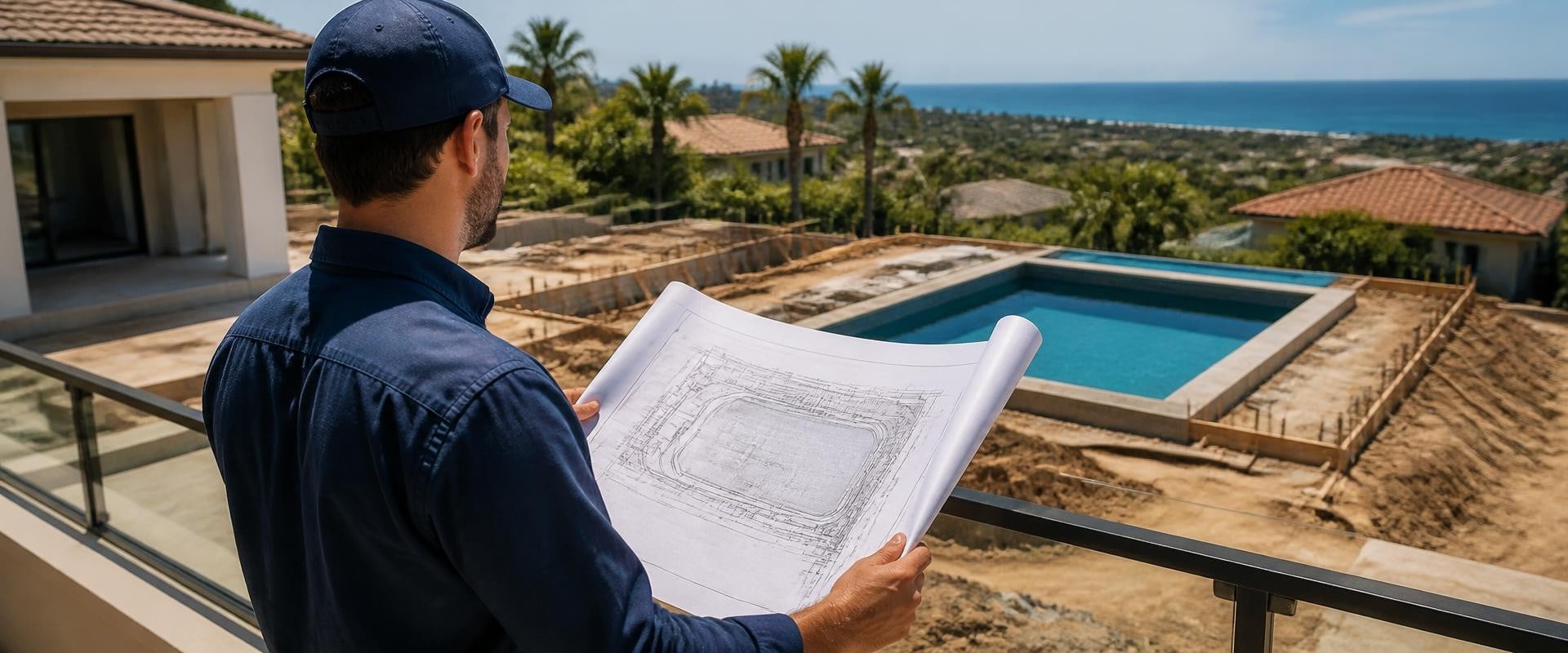
Building a pool in your backyard can transform your outdoor space into a personal oasis, perfect for relaxation and recreation. However, before you dive into the exciting process of pool construction, it's essential to navigate the intricate world of zoning permits for pools. In San Diego Pool Building, we understand that the permitting process can be daunting, especially for first-time pool owners. This guide aims to demystify the requirements and procedures necessary for obtaining zoning permits specific to pool construction in San Diego. Understanding local regulations is crucial, as each municipality may have different rules governing pool installations. , we understand that the permitting process can be daunting, especially for first-time pool owners. This guide aims to demystify the requirements and procedures necessary for obtaining zoning permits specific to pool construction in San Diego. Understanding local regulations is crucial, as each municipality may have different rules governing pool installations.
Whether you envision a sleek modern design or a classic family pool, ensuring compliance with zoning laws is the first step to bringing your vision to life. By taking the time to familiarize yourself with the types of permits required, you can avoid potential pitfalls and costly delays. In this article, we will explore the various aspects of zoning permits for pools, including what documents you need, common challenges homeowners face, and tips on how to navigate the process efficiently. With our expert insights, you will be well-equipped to tackle your project with confidence and clarity, ensuring that your dream pool becomes a reality. When considering a new swimming pool, understanding the intricacies of zoning permits for pools in San Diego is essential. These permits play a crucial role in ensuring that your pool construction adheres to local regulations, ultimately affecting both safety and aesthetics.
For homeowners in the area, navigating this process can be daunting, but partnering with a knowledgeable resource like San Diego Pool Building can simplify your journey. There are several types of pools to consider when planning your backyard oasis: in-ground pools and above-ground pools are the most common choices. In-ground pools are typically more permanent, offering a luxurious and customizable experience. They can be made from various materials such as concrete, fiberglass, or vinyl, each having its unique pros and cons.
For instance, concrete pools allow for intricate designs and longevity but often require more maintenance and a higher initial investment. On the other hand, fiberglass pools are quicker to install and require less upkeep but may have limited design options. Conversely, above-ground pools are generally more affordable and quicker to set up, making them an appealing option for homeowners on a budget or those seeking a temporary solution. However, they often lack the aesthetic appeal of in-ground pools and might not add as much value to your property in the long run. The permitting process for pool construction in San Diego involves several steps that homeowners must follow meticulously. First, you will need to submit an application to your local planning department.
This application typically includes detailed plans of the proposed pool design, site plans showing property boundaries, and any additional information required by local regulations. Once submitted, city officials will review your application to ensure compliance with zoning laws. Upon initial approval, you may need to attend a public hearing if required by your neighborhood zoning regulations. This is where neighbors can voice any concerns about your project. After resolving any issues raised during this hearing, you will receive an official permit approval, allowing you to begin construction. In San Diego, common zoning regulations include specific setback requirements from property lines, which dictate how far your pool must be from your home and adjacent properties.
Typically, these setbacks can range from 5 to 10 feet depending on the area. Safety standards are also crucial; for instance, pools must be equipped with barriers or fences to prevent accidental drownings, particularly if children are present in the home. When it comes to hiring qualified pool builders, it’s vital to look for contractors with experience and appropriate licensing. A reputable builder should have a portfolio of previous work that reflects their expertise in constructing pools that comply with local regulations. Additionally, checking reviews and references can provide insight into their reliability and workmanship. In terms of design options popular in San Diego, many homeowners opt for features that complement the local climate and lifestyle.
Infinity pools that blend seamlessly with the landscape are highly sought after for their stunning visual appeal. Additionally, incorporating natural elements such as rock formations or waterfalls can enhance the ambiance of your backyard retreat. Consider a scenario where a homeowner named John decides to build an in-ground pool for his family. He starts by researching zoning permits for pools, ensuring he understands the local regulations. After preparing his application with detailed plans and site maps, he submits it to the San Diego planning department.
Upon receiving feedback from neighbors during the public hearing stage, John makes minor adjustments to his design based on their suggestions. With patience and diligence, he navigates through the process successfully and ultimately enjoys his new pool without facing compliance issues. However, potential challenges may arise during this process. Homeowners might face objections from neighbors regarding noise or aesthetics, which can complicate permit approval. Additionally, delays in permit processing can occur due to high volume or incomplete applications.
Being proactive in communication with local officials and understanding community concerns can help mitigate these challenges. In conclusion, understanding the importance of zoning permits for pools, along with being informed about various pool types and their corresponding regulations in San Diego, is crucial for any homeowner considering a new pool installation. By leveraging resources like San Diego Pool Building, you can navigate this complex process with confidence.
Design Options Tailored to San Diego
When considering a pool design in San Diego, it’s essential to understand how local aesthetics, climate, and lifestyle impact your choices.San Diego Pool Building
emphasizes the importance of tailoring pool designs to fit the unique characteristics of the region. From contemporary infinity pools that overlook the Pacific Ocean to classic Spanish-style pools adorned with vibrant tiles, San Diego offers a diverse range of styles that cater to various homeowner preferences. The warm, sunny climate of San Diego encourages outdoor living, making it crucial to integrate your pool design with surrounding landscapes.Homeowners often opt for designs that include features such as built-in spas, sun decks, and natural stone finishes that blend seamlessly into the environment. Additionally, considering energy-efficient technologies and sustainable materials is becoming increasingly popular among homeowners looking to reduce their ecological footprint. Another key consideration is the zoning regulations specific to San Diego. These regulations may influence the type and size of pools allowed in certain areas, prompting homeowners to work closely with experienced contractors who understand local compliance requirements. By collaborating with professionals familiar with San Diego Pool Building, you can ensure that your dream pool not only complements your home but also adheres to all necessary zoning permits and regulations.
Hiring the Right Pool Builder
Choosing the right pool builder is crucial for ensuring your project runs smoothly and meets local regulations, especially when it comes to securing zoning permits for pools.In San Diego, where the climate is perfect for outdoor living, a reputable pool builder can help you navigate the complexities of construction and compliance. When searching for a qualified contractor, start by looking for builders affiliated with San Diego Pool Building, as they can provide a list of trusted professionals in your area. First, check for proper licensing and insurance. A licensed pool builder should have the necessary credentials to operate in California, ensuring they adhere to state regulations. Insurance is also essential as it protects you from potential liabilities during the construction process. Next, consider the builder's experience and specialization.
Look for contractors who have a proven track record in constructing pools similar to what you envision. Experienced builders will be more familiar with local zoning laws and permit requirements, making the process smoother for you. Don’t hesitate to ask for references and review past projects. Speaking with previous clients can provide insight into the builder's work ethic, quality of construction, and ability to meet deadlines. Additionally, viewing completed projects allows you to assess their design style and craftsmanship. Finally, communication is key.
A good pool builder should be responsive to your inquiries and willing to explain the entire process, including how they will handle securing zoning permits for pools. Clear communication can prevent misunderstandings and ensure your vision is realized without unnecessary delays.
Types of Pools and Their Zoning Implications
When considering a new pool installation, it is crucial to understand that different types of pools may have varying zoning requirements that can significantly impact your project. In San Diego, where regulations are strictly enforced, compliance with these zoning laws is essential to ensure a smooth construction process and avoid potential fines or delays. For instance, in-ground pools, which are permanently installed and often require substantial excavation, tend to have more stringent zoning regulations compared to above-ground pools. In San Diego, in-ground pools typically need to adhere to setbacks from property lines, which are often dictated by the local zoning laws.These regulations help maintain safety and privacy in residential areas. On the other hand, above-ground pools, while generally easier to install, still come with their own set of zoning guidelines. Homeowners may need to ensure these pools are not placed too close to property boundaries or utility easements. Depending on the height of the pool and any decking involved, additional permits might be necessary. Additionally, plunge pools and swimming pools designed for specific purposes—such as lap swimming—might also have unique zoning implications. These specialized pools could require more detailed plans and inspections due to their intended use and construction complexity.
Therefore, it is always advisable to consult with local authorities or a knowledgeable guide like San Diego Pool Building to navigate these requirements effectively. Understanding the zoning implications of your chosen pool type will not only streamline the permitting process but also ensure that your investment complies with all local regulations. This preparation can save homeowners time and money down the line, making it an essential step in the planning stages of pool construction.
Understanding the Permitting Process
Obtaining a zoning permit for pools in San Diego is a critical step in ensuring your pool construction adheres to local regulations.San Diego Pool Building
serves as a valuable resource for homeowners looking to navigate this complex process. Understanding the permitting process can help homeowners avoid costly delays and ensure compliance with city ordinances. The first step in obtaining a zoning permit is to research local zoning laws and requirements specific to your property.This includes understanding how your property is classified and any restrictions that may apply. Homeowners should check with the San Diego Planning Department or visit their official website for detailed information on zoning regulations. Once you have gathered the necessary information, the next step is to prepare the required documentation. This typically includes site plans, drawings of the proposed pool, and any other documents that demonstrate compliance with local codes. Homeowners should also be prepared to provide evidence of property lines and any existing structures that may affect the pool’s placement. After preparing your documentation, you will need to submit your application for a zoning permit to the appropriate local authority.
This process can take several weeks, depending on the complexity of your application and the current workload of the permitting office. It’s advisable to allow ample time for review and potential revisions. Once your application is submitted, there may be a public notice period during which neighbors can voice any concerns regarding your proposed pool. Be prepared to address any issues that arise during this time, as they could impact the approval of your permit. After your application has been reviewed and approved, you will receive your zoning permit, allowing you to move forward with construction. Remember that compliance doesn’t end with obtaining a permit; homeowners must also adhere to any conditions outlined in the permit throughout the building process. In summary, understanding each step of the zoning permit process is essential for a smooth pool construction experience in San Diego.
By following these guidelines and utilizing resources like San Diego Pool Building, homeowners can ensure they meet all requirements and enjoy their new pools without legal complications. Understanding zoning permits for pools in San Diego is essential for homeowners embarking on a pool construction project. Compliance with local regulations not only ensures the safety and legality of your pool but also enhances the value of your property. By familiarizing yourself with the various types of pools and their zoning implications, as well as navigating the permitting process, you can avoid potential legal challenges and costly delays. It is crucial to conduct thorough research and consult with professionals who are well-versed in San Diego's specific requirements, such as San Diego Pool Building. Engaging the right pool builder will help you create a design that aligns with both your vision and local guidelines.
Remember, investing time in understanding these regulations upfront can lead to a smoother construction experience and a beautiful addition to your backyard.


